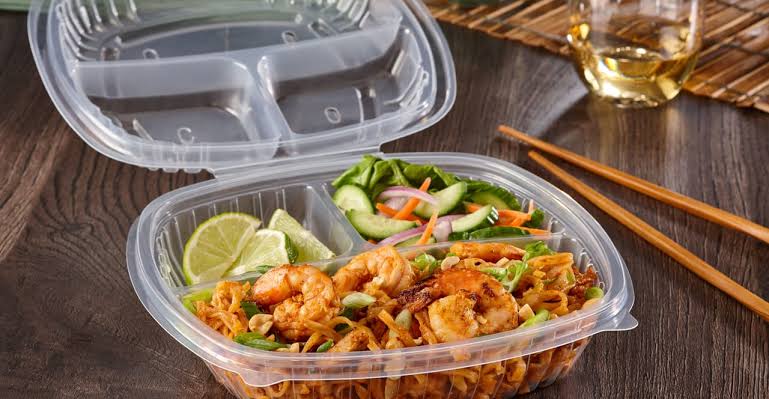
Plastic food containers are a convenient part of many kitchens. They are lightweight, affordable, easy to carry, and available in different shapes and sizes. From packing lunch for work to storing leftovers in the refrigerator, reusable plastic containers make everyday food storage simple.
But one question often comes up: Can you store hot food in plastic containers?
The answer depends largely on what type of plastic container you are using, what temperature it is designed to handle, and whether you are storing, reheating, or transporting the food.
Not every plastic container is suitable for hot food. A container designed for cold storage may not be appropriate for very hot meals, while a food-grade, heat-resistant container specifically designed for hot food can be a different situation.
Understanding the difference can help you choose the right plastic food storage containers, protect the quality of your food, and avoid common food-storage mistakes.
Can You Put Hot Food in a Plastic Container?
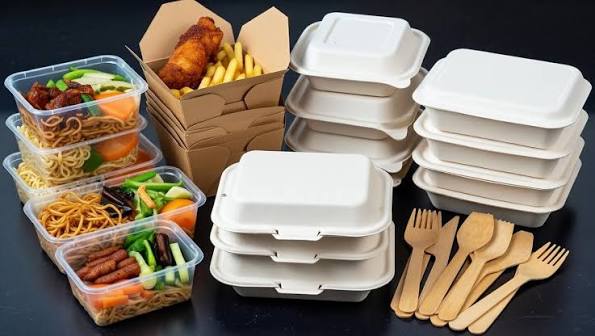
You can put hot food into a plastic container only when the container is specifically designed and labeled for that type of use.
This is an important distinction.
Not all plastic containers are made with the same materials or manufacturing specifications. Some are designed for refrigerator storage, some for freezing, some for room-temperature foods, and others may be suitable for microwave heating or hot food.
A container that is safe for storing cold leftovers should not automatically be assumed to be safe for very hot food.
For example, thin disposable containers, takeaway packaging, or containers intended only for cold storage may not be designed to withstand high temperatures.
When heat is applied to plastic, the material can soften, warp, or deteriorate depending on its composition and intended use. Heat can also increase the potential for substances from packaging materials to migrate into food.
Therefore, food-grade plastic and heat-resistant plastic are not necessarily the same thing.
Why Does Hot Food Affect Plastic Containers?
Temperature can influence how a plastic container behaves.
When very hot food is placed inside plastic, several things can happen depending on the material.
1. The Container May Become Soft
Some plastics are not designed to withstand high temperatures. Very hot food can cause the container to become softer or lose its original shape.
This is particularly noticeable with thin or low-quality plastic containers.
2. The Container May Warp
A container that changes shape after contact with hot food may no longer seal correctly.
This can lead to:
- Leaking
- Spills
- Poor storage
- Difficulty stacking containers
- Damaged lids
3. Heat Can Increase Chemical Migration
Small amounts of substances from packaging materials can migrate into food. Heat can increase this process, which is one reason manufacturers specify particular uses and temperature limits for food-contact materials.
This doesn’t mean that every plastic container becomes unsafe when it encounters warm food. Rather, the safety of a plastic container depends on the material, intended use, temperature, and conditions of contact.
What Does “Food-Grade Plastic” Mean?
You may have seen the term food-grade plastic while shopping for containers.
Food-grade generally refers to material that is manufactured and intended for contact with food under specified conditions.
However, food-grade doesn’t automatically mean:
- Safe for every temperature
- Safe for microwave use
- Safe for ovens
- Safe for boiling food
- Suitable for long-term storage of every type of food
This is why you should always check the manufacturer’s instructions.
A food container should be used according to the conditions it was designed for.
What Types of Plastic Are Commonly Used for Food Containers?
Different plastics have different properties.
Some commonly encountered materials include:
1. Polypropylene (PP)
Polypropylene is widely used for food containers, lunch boxes, reusable storage containers, and food packaging.
It has relatively good heat resistance compared with many other common plastics, which is why it is frequently used in products designed for warm food or microwave use.
However, you should still check the individual container’s instructions rather than assuming every polypropylene container is suitable for high temperatures.
2. High-Density Polyethylene (HDPE)
HDPE is commonly used for food packaging and containers. It is known for being durable and resistant to many chemicals.
Its suitability for hot food depends on the specific product and manufacturing specifications.
3. Polyethylene Terephthalate (PET)
PET is widely used for beverage bottles and food packaging. It is commonly associated with single-use packaging and is not generally something you should assume is suitable for heating or very hot food.
4. Polystyrene
Polystyrene is used in certain disposable food packaging products. Some forms are not designed for exposure to high temperatures.
For hot meals, always check whether the specific container has been designed and tested for that use.
Can You Put Hot Rice in a Plastic Container?
Rice is commonly packed in plastic lunch boxes and food storage containers.
If you are packing freshly cooked rice, the most important consideration is the type of container.
A reusable, food-grade container specifically designed for hot food may be suitable. However, thin disposable plastic or containers intended only for cold storage should not automatically be used for steaming-hot rice.
Another consideration is food safety.
Cooked rice is a perishable food. Simply placing it into a container doesn’t make it safe indefinitely. If you’re storing cooked rice for later, proper cooling and refrigeration are important.
Can You Put Hot Curry in a Plastic Container?
Hot curry, dal, gravy, soup, and other liquid foods require additional care.
These foods are often:
- Very hot
- Moist
- Sometimes oily
- Sometimes acidic
- Stored for several hours
Hot and oily foods can be particularly demanding on food-contact materials.
If you are using a plastic food container for hot curry, make sure it is designed for hot food and follow the manufacturer’s instructions.
For very hot foods, a suitable glass or stainless-steel container may be a practical alternative.
Can You Put Hot Food Directly Into a Lunch Box?
Yes, but only when the lunch box is designed for hot food.
This is particularly important for people who pack meals for:
- Office
- School
- College
- Travel
- Picnics
- Outdoor activities
A reusable plastic lunch container should be clearly labeled for its intended use.
If the manufacturer states that the container is suitable for hot food, follow the recommended temperature and usage instructions.
If there is no clear information, it is better not to assume that the container can safely handle very hot food.
Should You Let Food Cool Before Putting It in Plastic?
This is one of the most common questions about food storage.
For plastic containers that aren’t specifically designed for hot food, allowing food to cool somewhat before transferring it can reduce exposure to high temperatures.
However, there is an important balance.
You shouldn’t leave perishable food sitting at room temperature for an unnecessarily long period simply because you’re waiting for it to become completely cold.
The goal is to use appropriate containers and follow safe food-storage practices, rather than leaving cooked food out for extended periods.
For leftovers, divide large quantities into smaller portions and use suitable containers so the food can cool and refrigerate efficiently.
Hot Food vs Warm Food: Is There a Difference?
Yes.
“Hot food” can refer to food that has just been cooked and is still steaming, while warm food may have cooled considerably.
The temperature of food can vary greatly depending on:
- Cooking method
- Food type
- Portion size
- Room temperature
- Time since cooking
Because of this, simply saying that a container is “safe for hot food” isn’t enough to determine the exact temperature it can handle.
Always follow the manufacturer’s temperature specifications when they are provided.
Can You Microwave Food in a Plastic Container?
This is another area where people often make assumptions.
A plastic container should only be microwaved if the manufacturer specifically states that it is microwave-safe.
A container that can safely hold food at room temperature isn’t necessarily suitable for microwave heating.
Microwave heating can expose plastic to high temperatures, particularly when food is oily or heated for a long period.
If a container isn’t labeled for microwave use, transfer the food to a microwave-safe glass or ceramic container instead.
Don’t Assume Takeaway Containers Are Microwave-Safe
Many takeaway containers are designed for transportation rather than reheating.
Even if the container looks sturdy, that doesn’t necessarily mean it was designed for microwave use.
When reheating food, check the packaging or transfer the food to a container specifically designed for microwave heating.
What About Hot Oil and Fatty Foods?
Foods containing substantial amounts of oil or fat deserve extra attention.
Examples include:
- Curries
- Fried foods
- Gravies
- Butter-based dishes
- Oily sauces
- Fried rice
Fatty foods can interact differently with some packaging materials, and high temperatures can increase the potential for migration from packaging into food.
This doesn’t mean that every plastic container is unsuitable for oily food. It means that the container should be appropriate for the food type and temperature.
What Plastic Containers Should You Avoid for Hot Food?
You should be cautious about using plastic containers that:
- Have no food-contact information
- Are intended only for cold storage
- Are visibly damaged
- Have become warped
- Become soft when exposed to heat
- Are thin disposable containers not designed for hot food
- Have no clear instructions for microwave or hot-food use
- Are intended for a different purpose
Never use a plastic container simply because it happens to be available.
The safest approach is to use packaging according to its intended purpose.
Can You Store Hot Food in Disposable Plastic Containers?
Disposable plastic containers are commonly used for takeaway meals, food delivery, and short-term food packaging.
However, not every disposable container is designed for very hot food or repeated use.
Some are specifically manufactured for hot foods, while others may be designed for cold or room-temperature foods.
Another common mistake is reusing disposable packaging repeatedly.
Disposable containers may not have the same durability or heat resistance as reusable food-storage containers.
If you frequently store hot meals, investing in a reusable container specifically designed for hot food can be a more practical choice.
How to Choose Plastic Food Containers for Hot Food
If you regularly store or pack warm meals, consider the following features.
1. Look for Clear Usage Instructions
A quality food container should provide information about its intended use.
Look for labels indicating whether it is suitable for:
- Hot food
- Microwave use
- Freezer use
- Dishwasher use
2. Check the Material
Look for the type of plastic used to manufacture the container.
However, don’t choose a container based only on the recycling number. The manufacturer’s intended-use instructions are equally important.
3. Choose Durable Containers
A sturdy reusable container is generally more appropriate for regular meal storage than a thin disposable container.
4. Consider the Lid
A good lid should create a secure seal without being exposed to temperatures beyond what it was designed to handle.
5. Avoid Damaged Containers
Scratches, cracks, discoloration, warping, or other signs of deterioration are reasons to consider replacing a container.
Plastic vs Glass Containers for Hot Food
Plastic isn’t the only option for food storage.
Glass containers are another popular choice, particularly for people who frequently store or reheat hot meals.
1. Plastic Containers
Advantages include:
- Lightweight
- Easy to carry
- Affordable
- Convenient for lunch
- Available in many sizes
- Less likely to shatter
2. Glass Containers
Advantages include:
- Good heat resistance
- Less likely to absorb food odors
- Easy to clean
- Suitable for many types of hot food
- Often useful for reheating when labeled appropriately
The downside is that glass is heavier and can break if dropped.
The best choice depends on how you plan to use the container.
Plastic vs Stainless Steel for Hot Food
Stainless steel is another option for transporting hot food.
It is:
- Durable
- Resistant to staining
- Resistant to food odors
- Suitable for many hot-food applications
- Long-lasting
However, stainless-steel containers are generally not suitable for microwave heating.
For a lunchbox or food carrier, stainless steel can be particularly useful when the goal is to keep food warm during transportation.
How to Store Hot Food Safely
Regardless of the container material, food safety remains important.
If you’re storing cooked food for later, consider these practices:
1. Use Clean Containers
Always use clean and dry food containers.
2. Divide Large Portions
Large quantities of hot food can take longer to cool. Dividing food into smaller portions can make storage more manageable.
3. Refrigerate Perishable Food Promptly
Don’t leave cooked food at room temperature for extended periods.
4. Don’t Overfill Containers
Leave appropriate space when storing foods that may expand or when a container’s instructions require it.
5. Label Stored Food
If you regularly prepare meals in advance, labeling containers with the date can help you keep track of storage time.
Common Mistakes When Storing Hot Food in Plastic
1. Using Any Plastic Container
Not every plastic container is suitable for hot food.
2. Reheating in Takeaway Packaging
A takeaway container isn’t automatically microwave-safe.
3. Using Damaged Plastic
Warped, cracked, or heavily scratched containers should be replaced.
4. Leaving Hot Food Out for Too Long
Food safety isn’t only about the container. Temperature control and storage time also matter.
5. Choosing Based Only on “BPA-Free”
A BPA-free label can be useful information, but it doesn’t automatically mean the container is suitable for every temperature or food type.
The complete product specifications matter.
How to Keep Food Warm Without Damaging the Container
If your goal is to keep lunch warm for several hours, choosing the right container can make a major difference.
A well-designed insulated lunch container or stainless-steel food flask can be more suitable than putting extremely hot food into an ordinary plastic container.
For everyday office or school lunches, consider:
- Insulated food containers
- Stainless-steel lunch boxes
- Heat-resistant food-grade containers
- Properly designed thermal containers
These options can help maintain food temperature while reducing the need to repeatedly reheat food.
When Should You Replace a Plastic Food Container?
Plastic containers don’t necessarily need to be discarded after a specific number of uses, but their condition matters.
Consider replacing a container if you notice:
- Deep scratches
- Cracks
- Warping
- Permanent stains
- Persistent odors
- Changes in texture
- A damaged lid
- Loss of proper sealing
A damaged container may be more difficult to clean thoroughly and may no longer perform as intended.
Is It Better to Store Hot Food in Glass?
For people who regularly handle very hot food, glass can be an attractive option because of its heat resistance and durability.
However, glass containers also have limitations.
For example, sudden temperature changes can cause certain glass products to crack or break. You should therefore follow the manufacturer’s instructions and avoid exposing containers to temperatures beyond their intended range.
If you want a container specifically for hot food storage, check whether it is designed for the temperature and cooking method you plan to use.
Also Read: Seasonal Weather Changes: Simple Ways to Keep Your Family Healthy
Final Thoughts
So, can you store hot food in plastic containers?
Yes, but not every plastic container is suitable for hot food.
The key is to choose a food-grade container that is specifically designed for the temperature and type of food you plan to store. A container intended only for cold storage shouldn’t automatically be used for steaming-hot meals, and takeaway packaging shouldn’t automatically be placed in the microwave.
When choosing plastic food storage containers, pay attention to the material, manufacturer’s instructions, temperature ratings, and overall condition of the container.
For very hot foods or frequent reheating, glass or stainless-steel containers can also be practical alternatives.
Ultimately, the safest approach is simple: use food containers according to their intended purpose, avoid damaged packaging, and combine proper container selection with good food-storage practices.