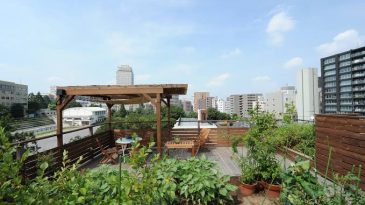
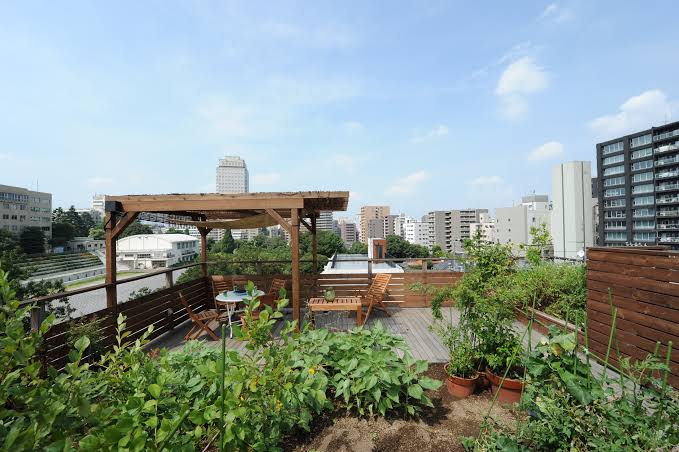
A terrace garden is a wonderful way to turn an unused rooftop or terrace into a green and productive space. Whether you want fresh vegetables, colorful flowers, herbs, or simply a peaceful outdoor area, you can create a terrace garden even with limited space.
You do not need to be an expert gardener to get started. With the right containers, soil, plants, sunlight, watering routine, and basic planning, you can build a healthy terrace garden step by step.
This guide explains how to start a terrace garden from scratch and how to maintain it successfully.
What Is a Terrace Garden?
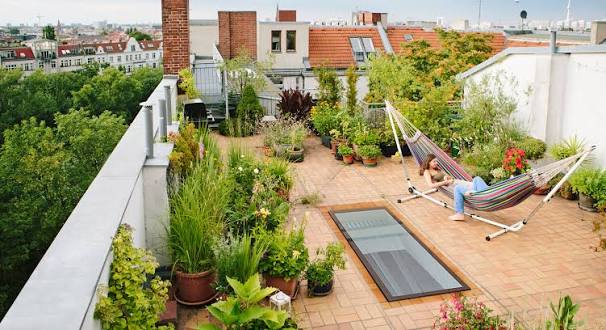
A terrace garden is a garden created on a rooftop, terrace, balcony, or other elevated outdoor space. Instead of planting directly in the ground, plants are usually grown in containers, pots, grow bags, raised beds, or specially designed planters.
Terrace gardening can be used for both decorative and practical purposes. You can grow:
- Vegetables
- Herbs
- Fruits
- Flowers
- Decorative plants
- Climbers
- Small shrubs
A well-planned terrace garden can also make your outdoor space more attractive and enjoyable.
What Should You Check Before Starting a Terrace Garden?
Before buying plants and containers, take some time to inspect your terrace.
1. Check the Available Sunlight
Most plants need sunlight to grow properly. Observe your terrace throughout the day and identify which areas receive direct sunlight.
Different plants have different requirements.
For example:
- Tomatoes generally need plenty of sunlight.
- Leafy vegetables can tolerate somewhat less sunlight.
- Many decorative indoor-style plants prefer bright but indirect light.
- Herbs such as basil and mint can grow well when their light and water needs are met.
Knowing your available sunlight will help you choose suitable plants.
2. Check Water Availability
A terrace garden needs regular watering, particularly during hot and dry weather.
Make sure you have convenient access to water before creating a large garden. A nearby tap, hose, watering can, or simple irrigation system can make maintenance easier.
Avoid creating a garden that requires carrying heavy buckets of water across the terrace every day.
3. Check Drainage
Good drainage is one of the most important aspects of terrace gardening.
Excess water needs to drain away properly. Poor drainage can lead to waterlogging, root problems, and damage to plants.
Make sure containers have drainage holes and that excess water can leave the growing area without collecting on the terrace floor.
Consider the Terrace Structure and Waterproofing
Before placing many heavy containers or constructing permanent raised beds, consider the condition of the terrace.
Wet soil, large planters, water tanks, and other garden structures can add considerable weight.
If you are planning a large terrace garden, consult a qualified professional about whether the roof structure can safely support the proposed load.
Waterproofing is also important. Constant moisture can cause problems if the terrace surface is not properly protected.
For a larger or permanent garden, consider professional advice about:
- Waterproofing
- Drainage
- Structural load
- Placement of heavy planters
- Water runoff
Taking these precautions at the beginning can prevent expensive problems later.
Step 1: Decide What You Want to Grow
The easiest way to start a terrace garden is to decide what you actually want from it.
Do you want fresh vegetables? A flower garden? Herbs for cooking? Or simply a green space for relaxation?
Your goal will influence the type of containers, soil, plants, and maintenance routine you need.
For beginners, vegetables and herbs are often rewarding choices because you can see noticeable growth relatively quickly.
Easy Plants for a Beginner Terrace Garden
You can consider plants such as:
Herbs
- Mint
- Basil
- Coriander
- Curry leaves
- Lemongrass
Vegetables
- Tomatoes
- Chillies
- Radishes
- Spinach
- Okra
- Beans
- Brinjal
- Lettuce
Flowers
- Marigold
- Rose
- Petunia
- Zinnia
- Jasmine
Choose plants according to your local climate and the amount of sunlight your terrace receives.
Step 2: Choose the Right Containers
You can grow plants in many types of containers.
Common options include:
- Plastic pots
- Terracotta pots
- Grow bags
- Wooden planters
- Cement planters
- Recycled containers
- Raised garden beds
For a beginner, grow bags and lightweight pots can be practical choices.
What Makes a Good Garden Container?
A suitable container should have:
- Adequate size
- Drainage holes
- Good durability
- Enough depth for the plant’s roots
- Suitable weight for your terrace
Avoid using containers without drainage holes because excess water can remain around the roots.
Choose Container Size Carefully
The container should match the plant.
Small herbs can grow in relatively small pots, while tomatoes, brinjals, and other larger plants generally need more space for their roots.
If you choose a container that is too small, the plant may become root-bound and require more frequent watering.
Step 3: Prepare the Right Soil
Healthy soil is the foundation of a successful terrace garden.
Garden plants need a growing medium that provides nutrients while allowing air and water to move through it.
A basic container mix may include:
- Soil
- Compost or well-decomposed organic matter
- Cocopeat
- Other suitable organic amendments
The exact mixture can vary depending on the plants you are growing.
Avoid using heavy soil alone in every container. A suitable potting mix should provide good drainage while retaining enough moisture for healthy plant growth.
Why Compost Is Important
Compost adds organic matter and nutrients to the growing medium.
You can use homemade compost or commercially available compost that is appropriate for gardening.
Organic matter can also improve the structure of the growing medium and support healthy root development.
Step 4: Arrange Your Terrace Garden
Once you have your containers and plants, think about how you will arrange everything.
Do not place every pot randomly.
Instead, divide the terrace into simple zones.
For example:
Sunny Area: Tomatoes, chillies, flowering plants and other sun-loving plants.
Partially Shaded Area: Plants that prefer less direct sunlight.
Herb Section: Keep commonly used herbs together for easy access.
Decorative Section: Use flowering and ornamental plants to improve the appearance of the terrace.
Leave enough space between containers so you can easily water, prune, harvest, and inspect your plants.
Use Vertical Space
If your terrace has limited floor space, vertical gardening can help.
You can use:
- Vertical planters
- Trellises
- Wall-mounted planters
- Hanging pots
- Plant stands
Climbing plants such as beans and certain flowering vines can also make use of vertical space.
Just make sure any wall-mounted or hanging structures are securely installed.
Step 5: Plant Your Seeds or Seedlings
You can start your terrace garden from seeds or seedlings.
Starting From Seeds
Growing from seeds is usually economical and gives you more plant choices.
Follow the instructions on the seed packet regarding:
- Sowing depth
- Spacing
- Sunlight
- Watering
- Germination time
Avoid planting seeds too deeply unless the instructions recommend it.
Starting With Seedlings
Seedlings are often easier for beginners because the plants have already passed the initial germination stage.
When buying seedlings, look for healthy plants with strong stems and no obvious signs of pests or disease.
Step 6: Develop a Watering Routine
Watering is one of the most important parts of terrace gardening.
However, watering every plant heavily every day is not necessarily the right approach.
The amount of water required depends on:
- Plant type
- Container size
- Weather
- Soil type
- Sunlight
- Wind
- Plant growth stage
Check the moisture of the growing medium before watering.
If the surface is dry but the soil underneath is still moist, you may not need to water immediately.
Avoid Overwatering
Overwatering can be just as problematic as underwatering.
Excess moisture can reduce air around the roots and encourage root-related problems.
Always make sure your pots have adequate drainage.
Step 7: Feed Your Plants
Plants growing in containers have limited access to nutrients compared with plants growing in the ground.
Regular feeding can therefore be important.
Depending on your plants and gardening approach, you may use:
- Compost
- Vermicompost
- Organic fertilizers
- Balanced plant fertilizers
Follow the product instructions when using commercial fertilizers.
Avoid applying excessive fertilizer because more is not always better.
Step 8: Protect Your Plants From Pests
Pests can appear even in a well-maintained terrace garden.
Common garden pests may include:
- Aphids
- Whiteflies
- Mealybugs
- Caterpillars
- Spider mites
Check your plants regularly, especially the undersides of leaves.
Early detection makes pest management easier.
Remove damaged leaves when appropriate and maintain good air circulation between plants.
If you use any pesticide or treatment, follow the product instructions carefully and choose an option appropriate for the plant and pest involved.
Step 9: Prune and Maintain Your Plants
Regular maintenance helps keep your terrace garden healthy and organized.
Depending on the plant, maintenance may include:
- Removing dead leaves
- Cutting damaged branches
- Removing weeds
- Supporting climbing plants
- Harvesting vegetables
- Checking for pests
- Refreshing soil
- Cleaning containers
Pruning requirements vary considerably between plants, so learn the specific needs of each variety.
How to Start a Terrace Garden With a Small Budget
You do not need to spend a large amount of money to start gardening.
Start small.
You can begin with a few grow bags or pots and grow easy plants such as herbs, chillies, leafy vegetables, or flowers.
You can also reuse suitable food-grade containers as planters, provided they are safe, clean, durable, and have proper drainage.
As you gain experience, gradually expand your garden.
This approach allows you to learn what works in your terrace environment without investing heavily from the beginning.
How to Maintain a Terrace Garden in Hot Weather
Terraces can become considerably hotter than ground-level gardens because they receive direct sunlight and may have more exposed surfaces.
During hot weather:
- Monitor soil moisture regularly.
- Water according to plant needs.
- Provide shade for plants that cannot tolerate intense heat.
- Use suitable mulch to help reduce moisture loss.
- Avoid leaving plants in unsuitable containers exposed to extreme heat.
- Check plants regularly for signs of heat stress.
Watering needs can increase during hot and windy periods, but avoid creating waterlogged soil.
How to Manage a Terrace Garden During Rainy Weather
Heavy rain can create a different set of challenges.
Excess water can collect in containers and increase the risk of root problems.
During rainy periods:
- Check drainage holes.
- Remove standing water.
- Move vulnerable containers if necessary.
- Avoid unnecessary watering.
- Inspect plants for fungal or pest problems.
- Check that supports and structures remain secure.
Good drainage becomes particularly important when rainfall is frequent.
Can You Grow Vegetables in a Terrace Garden?
Yes, many vegetables can grow successfully in containers when they receive suitable growing conditions.
Beginner-friendly options can include:
- Tomatoes
- Chillies
- Spinach
- Radishes
- Okra
- Beans
- Brinjal
- Lettuce
Choose container sizes based on the mature size and root requirements of each plant.
Some vegetables also need support structures as they grow.
Can You Grow Fruit Plants on a Terrace?
Some fruit plants can be grown in large containers, but they require more planning than herbs or leafy vegetables.
Depending on your climate and available space, you may consider suitable dwarf or container-friendly varieties.
Examples can include certain varieties of:
- Lemon
- Guava
- Pomegranate
- Fig
Larger plants require larger containers and can become heavy, so consider the structural capacity of the terrace before adding them.
Common Terrace Gardening Mistakes to Avoid
1. Starting With Too Many Plants
A large garden may look attractive initially, but maintaining dozens of plants can become difficult.
Start with a manageable number.
2. Using Containers Without Drainage
This can lead to waterlogging and root problems.
3. Choosing Plants Without Checking Sunlight
A beautiful plant will struggle if its light requirements do not match your terrace.
4. Using Poor-Quality Soil
Plants need an appropriate growing medium for healthy roots.
5. Overwatering
Water according to the plant and environmental conditions rather than following a rigid daily schedule.
6. Ignoring Terrace Waterproofing
Water management should be considered before expanding your garden.
7. Placing Too Much Weight in One Area
Large containers filled with wet soil can become very heavy. Plan your garden carefully and seek professional structural advice when needed.
A Simple Terrace Garden Plan for Beginners
If you are completely new to gardening, start with a small collection.
For example, you could begin with:
2–3 herb pots: Mint, basil, and coriander.
2–3 vegetable containers: Tomato, chilli, and spinach.
2–3 flowering plants: Marigold, petunia, or another suitable seasonal flower.
This gives you a mixture of edible and decorative plants without creating too much maintenance work.
Once you understand watering, sunlight, soil, and pest management, you can expand your terrace garden gradually.
Also Read: Reading and Brain Health: How Books Keep Your Mind Active
Final Thoughts
Learning how to start a terrace garden does not require complicated equipment or extensive gardening experience. The key is to begin with the basics: understand your terrace conditions, choose suitable plants, use containers with proper drainage, prepare a good growing medium, and establish a consistent maintenance routine.
Start small and learn from your plants. Pay attention to how much sunlight your terrace receives, how quickly your containers dry, and how different plants respond to the local weather.
With patience and regular care, even a simple collection of pots can develop into a beautiful and productive terrace garden.