- General
- Updated on November 4, 2026
Does Perfume Cause Skin Irritation? Causes, Symptoms, and Prevention

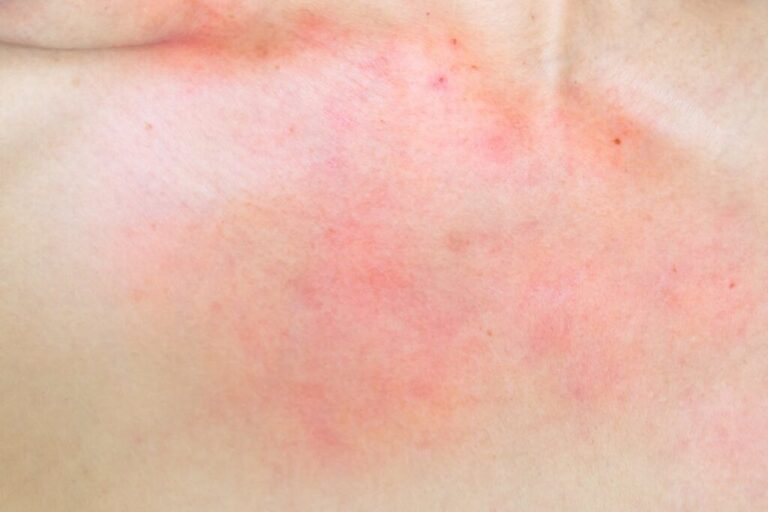
Perfume is a common part of many people’s daily grooming routines. It helps create a pleasant fragrance and can make people feel fresh and confident. However, some individuals experience skin irritation after applying perfume directly to their skin.
Perfume-related skin irritation can occur due to fragrance ingredients, alcohol, preservatives, and other chemicals used in fragrance formulations. People with sensitive skin or existing skin conditions may be more likely to experience reactions.
But does perfume really cause skin irritation? Yes, it can. Depending on the ingredients and individual skin sensitivity, perfume may cause redness, itching, dryness, rashes, or allergic reactions.
In this blog, we will explore why perfume causes skin irritation, common symptoms, ways to prevent reactions, and when you should consult a dermatologist.
Can Perfume Cause Skin Irritation?
Yes, perfume can cause skin irritation in some people. Although most fragrances are designed for external use, certain ingredients may irritate the skin or trigger an allergic reaction.
Perfumes contain a combination of fragrance compounds, alcohol, solvents, and sometimes preservatives. These ingredients help create and maintain the fragrance, but they may not suit every skin type.
Two common types of perfume-related skin reactions are:
- Irritant contact dermatitis: This happens when an ingredient directly irritates the skin. It does not require a previous allergic reaction and may cause redness, dryness, burning, or itching.
- Allergic contact dermatitis: This occurs when the immune system reacts to a particular fragrance ingredient. It may cause an itchy rash, redness, swelling, or small blisters.
Both reactions can cause discomfort, but their triggers and management may differ.
Why Does Perfume Cause Skin Irritation?
Several ingredients and skin-related factors can contribute to perfume irritation.
1. Fragrance Ingredients
Perfumes contain different natural and synthetic fragrance compounds. Some ingredients may trigger allergic contact dermatitis in sensitive individuals.
Common fragrance allergens include certain essential oil components and compounds such as limonene and linalool, particularly when they oxidise after exposure to air.
Repeated exposure to an allergen may increase the likelihood of developing an allergic reaction in susceptible people.
2. Alcohol Content
Many perfumes contain alcohol, which helps dissolve fragrance ingredients and allows the scent to evaporate after application.
However, alcohol may cause dryness, stinging, or irritation, especially when applied to sensitive, damaged, or freshly shaved skin.
People with dry skin or an impaired skin barrier may notice more discomfort after using alcohol-based fragrances.
3. Sensitive Skin
People with sensitive skin may react more easily to certain perfume ingredients.
Their skin may already have a weaker protective barrier, making it more vulnerable to irritation from fragrances and other cosmetic products.
Even products that do not cause problems for most people may trigger redness, itching, or discomfort in individuals with sensitive skin.
4. Existing Skin Conditions
People with conditions such as eczema, rosacea, or contact dermatitis may experience irritation after applying perfume.
Fragrance ingredients can aggravate existing inflammation and make the skin feel more uncomfortable.
For example, applying perfume to an area affected by eczema may increase dryness, itching, or redness.
5. Applying Perfume to Damaged Skin
Applying perfume to cuts, scratches, sunburned skin, or freshly shaved areas may increase the chances of irritation.
When the skin barrier is damaged, certain ingredients can penetrate more easily and cause burning or discomfort.
It is better to avoid applying fragrance directly to areas that are already irritated or inflamed.
Common Symptoms of Perfume-Related Skin Irritation
The symptoms of perfume-related irritation can vary depending on the ingredient and the type of reaction.
Some common signs include:
- Redness around the application area
- Itching or burning sensations
- Dry or flaky skin
- Small bumps or rashes
- Swelling or tenderness
- Skin peeling
- Small blisters in some allergic reactions
Symptoms may appear shortly after application or develop gradually over several hours. Allergic contact dermatitis can sometimes take one to several days to become noticeable.
The reaction may occur on the neck, wrists, behind the ears, or any other area where perfume has been applied.
Which Areas of the Body Are More Sensitive to Perfume?
Some body areas are more likely to experience irritation because their skin may be thinner or more sensitive.
1. Neck
The neck is a common area for perfume application. However, its skin can be sensitive, and repeated fragrance exposure may trigger irritation in some people.
2. Wrists
Many people spray perfume on their wrists. Frequent application may cause dryness, itching, or redness if the skin reacts to certain ingredients.
3. Behind the Ears
The skin behind the ears can be sensitive. Applying fragrance to this area may trigger irritation, especially in people prone to contact dermatitis.
4. Chest and Décolletage
These areas may be exposed to perfume sprays, clothing friction, and sunlight. Irritation can become more noticeable when several of these factors occur together.
Can Perfume Cause Dark Spots or Skin Discolouration?
Yes, perfume-related reactions may sometimes contribute to skin discolouration.
Certain fragrance ingredients, particularly some citrus-derived compounds, can cause a reaction when they come into contact with sunlight. This condition is known as phytophotodermatitis.
It may cause redness, inflammation, blisters, and later dark patches on the affected skin.
Repeated inflammation from allergic or irritant contact dermatitis can also lead to post-inflammatory hyperpigmentation, especially in people with darker skin tones.
If you notice persistent dark patches after using perfume, consult a dermatologist to identify the cause and discuss suitable treatment options.
How to Prevent Skin Irritation From Perfume
If you enjoy wearing perfume but experience occasional skin irritation, a few precautions may help reduce the risk.
1. Choose Fragrance-Free Products
If you have sensitive skin or a history of fragrance allergies, consider fragrance-free skincare and body-care products.
Remember that fragrance-free and unscented are not always the same. Some unscented products may contain masking fragrances.
2. Avoid Applying Perfume to Irritated Skin
Do not spray perfume directly on cuts, rashes, sunburn, eczema patches, or freshly shaved areas.
Allow your skin to recover before using fragranced products on the affected area.
3. Apply Perfume to Clothing Carefully
Applying perfume to clothing instead of directly to the skin may reduce direct skin exposure.
However, test it on an inconspicuous area first because some fragrances can stain or damage delicate fabrics.
4. Check the Ingredient List
Review the product label for fragrance ingredients that have caused reactions in the past.
If you have a confirmed fragrance allergy, ask a dermatologist about ingredients you should avoid.
5. Avoid Excessive Application
Using too much perfume or repeatedly applying it to the same skin area may increase exposure to potential irritants.
Use fragrances moderately and stop applying them if you notice discomfort.
6. Maintain Your Skin Barrier
Use gentle cleansers and moisturisers to help maintain your skin’s protective barrier.
Well-moisturised skin may be less vulnerable to irritation caused by external factors, although moisturising cannot prevent a true fragrance allergy.
What Should You Do If Perfume Causes Skin Irritation?
If you notice redness, itching, or burning after applying perfume, take the following steps:
- Stop using the perfume: Avoid further exposure to the suspected product.
- Wash the affected area: Gently rinse the skin with lukewarm water and a mild cleanser to remove fragrance residue.
- Avoid scratching: Scratching can worsen inflammation and increase the risk of infection.
- Apply a gentle moisturiser: Use a fragrance-free product to support the skin barrier.
- Avoid other irritating products: Temporarily stop using strong exfoliants, fragranced lotions, and harsh skincare products on the affected area.
- Consult a dermatologist: Seek professional advice if the irritation persists, spreads, or repeatedly returns.
If you experience facial or throat swelling, difficulty breathing, or other signs of a severe allergic reaction, seek emergency medical care immediately.
When Should You Visit a Dermatologist?
Mild irritation may improve after stopping the suspected perfume. However, persistent or recurring reactions should not be ignored.
Consider visiting a dermatologist if:
- The rash does not improve after avoiding the perfume.
- You experience repeated itching or redness.
- The affected area develops blisters or significant swelling.
- Your skin becomes painful or starts peeling.
- You notice persistent dark patches after irritation.
- You are unsure whether the reaction is an allergy or another skin condition.
A dermatologist may recommend patch testing to identify specific fragrance allergens responsible for allergic contact dermatitis. This can help you avoid the ingredients that trigger future reactions.
Also Read: History of Tea: From Ancient China to a Global Favourite
Final Thoughts
Perfume can cause skin irritation in some people due to fragrance compounds, alcohol, and other ingredients. Symptoms may include redness, itching, dryness, burning, and rashes. People with sensitive skin, eczema, or fragrance allergies may be more vulnerable to these reactions.
The best way to prevent perfume-related irritation is to identify the triggering ingredient, avoid applying fragrances to damaged skin, and choose suitable products.
If skin irritation persists or keeps returning, consult a dermatologist for proper evaluation and treatment. Understanding your skin’s sensitivity can help you enjoy personal fragrances while protecting your skin health.
Join the discussion
Related Articles



No results available
ResetTrending Articles
- General
- Updated on November 4, 2026

- General
- Updated on October 5, 2026

- General
- Updated on October 16, 2026

- General
- Updated on September 17, 2026

- General
- Updated on September 4, 2026

- General
- Updated on August 24, 2026

- General
- Updated on August 12, 2026

- General
- Updated on August 6, 2026

- General
- Updated on July 24, 2026

- General
- Updated on July 24, 2026
No results available
Reset