
Introduction
The Hindu calendar is known for its unique lunar-based system, which occasionally requires adjustments to stay aligned with the solar year. One such adjustment is known as Adhik Maas, an extra lunar month that is added approximately every two and a half to three years.
Adhik Maas holds great religious and spiritual significance in Hinduism. It is considered a sacred period dedicated to devotion, self-reflection, charity, and spiritual growth. While no major festivals or auspicious ceremonies are traditionally performed during this month, it is regarded as highly beneficial for worship and religious practices.
This article explores the meaning, significance, traditions, and importance of Adhik Maas in Hindu culture.
What Is Adhik Maas?

The term “Adhik Maas” translates to “extra month” in Sanskrit.
The Hindu lunar calendar is based on the movement of the Moon, while the solar calendar follows the Earth’s orbit around the Sun. A lunar year consists of approximately 354 days, which is about 11 days shorter than a solar year.
Over time, this difference accumulates. To maintain alignment between lunar months and solar seasons, an additional month is inserted into the Hindu calendar approximately every 32 to 33 months.
This extra month is known as Adhik Maas.
Why Does Adhik Maas Occur?
The primary purpose of Adhik Maas is to synchronize the lunar and solar calendars.
Without this adjustment:
- Festivals would gradually shift away from their traditional seasons.
- Agricultural and seasonal references in religious observances would become inaccurate.
- The lunar calendar would lose alignment with the solar year.
The inclusion of Adhik Maas ensures that important Hindu festivals continue to occur during their appropriate seasons.
Another Name for Adhik Maas
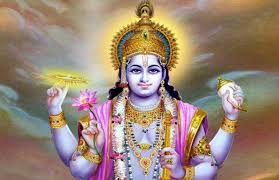
Adhik Maas is also commonly known as Purushottam Maas.
According to Hindu traditions, Lord Vishnu is worshipped in his form as Purushottam during this month. As a result, many devotees dedicate additional time to prayers, fasting, and spiritual activities focused on Lord Vishnu.
The name Purushottam Maas emphasizes the month’s spiritual significance and its association with divine blessings.
Spiritual Significance of Adhik Maas
Unlike regular months that include various festivals and celebrations, Adhik Maas is considered a period of spiritual purification and devotion.
Many Hindus believe that activities performed during this month generate greater spiritual merit.
The month is often used for:
- Prayer and meditation
- Reading sacred scriptures
- Charity and donations
- Fasting and self-discipline
- Pilgrimages and temple visits
- Personal reflection and spiritual growth
It is viewed as an opportunity to focus on inner development rather than material pursuits.
The Story Behind Adhik Maas
A popular Hindu legend explains the significance of Adhik Maas.
According to tradition, the extra month was initially neglected because it did not have a ruling deity. Feeling unwanted and disrespected, the month approached Lord Vishnu for help.
Lord Vishnu accepted the month and blessed it with his own name, Purushottam. From that time onward, Adhik Maas became one of the most spiritually significant periods in the Hindu calendar.
This story symbolizes acceptance, transformation, and divine grace.
Religious Practices During Adhik Maas
Many devotees observe special religious practices during this sacred month.
Worship of Lord Vishnu
Lord Vishnu is the primary deity worshipped during Adhik Maas.
Devotees often:
- Recite Vishnu Sahasranama
- Chant Vishnu mantras
- Offer prayers and flowers
- Visit Vishnu temples
Many believe these practices help bring peace, prosperity, and spiritual progress.
Reading Sacred Texts
Reading holy scriptures is highly encouraged during Adhik Maas.
Common texts include:
- Bhagavad Gita
- Vishnu Purana
- Srimad Bhagavatam
- Ramayana
Scripture reading is considered a means of gaining wisdom and strengthening faith.
Charity and Donations
Charitable acts hold special importance during Adhik Maas.
Common forms of charity include:
- Donating food
- Providing clothing
- Supporting educational causes
- Helping those in need
Acts of kindness and generosity are believed to yield significant spiritual rewards during this period.
Fasting During Adhik Maas
Many devotees observe fasts as a form of spiritual discipline.
Fasting practices vary depending on individual traditions and beliefs.
Some people:
- Fast on specific days
- Eat only one meal daily
- Avoid certain foods
- Follow a sattvic diet
Fasting is often accompanied by prayer and meditation.
Activities Traditionally Avoided During Adhik Maas
While the month is considered spiritually beneficial, certain activities are generally postponed.
These may include:
- Weddings
- Housewarming ceremonies
- Engagements
- Major business launches
- Property purchases
The focus during Adhik Maas is typically on spiritual pursuits rather than material or celebratory events.
However, practices can vary by region and family tradition.
Scientific Perspective on Adhik Maas
Beyond its religious significance, Adhik Maas has an astronomical basis.
The lunar year is approximately:
- 354 days long
The solar year is approximately:
- 365.24 days long
The difference of about 11 days accumulates annually. After nearly three years, the gap becomes roughly one lunar month.
Adding Adhik Maas helps keep the lunar calendar synchronized with seasonal cycles and astronomical events.
This adjustment is similar in concept to the leap year used in the Gregorian calendar.
Importance of Adhik Maas in Modern Times
In today’s busy world, Adhik Maas offers a valuable opportunity for reflection and personal growth.
Many people use this month to:
- Reduce distractions
- Practice mindfulness
- Strengthen family values
- Reconnect with spiritual traditions
- Focus on gratitude and self-improvement
The teachings associated with Adhik Maas remain relevant regardless of changing lifestyles.
Benefits of Observing Adhik Maas
Devotees believe that sincere observance of Adhik Maas can:
- Strengthen spiritual awareness
- Promote inner peace
- Encourage positive habits
- Foster generosity and compassion
- Deepen religious devotion
Whether observed through prayer, fasting, charity, or self-reflection, the month is viewed as a powerful time for personal transformation.
Also Read: What Is Nau Tapa? Meaning, Dates, and Scientific Significance
Conclusion
Adhik Maas is a unique and important feature of the Hindu calendar that serves both astronomical and spiritual purposes. By aligning the lunar and solar calendars, it ensures that religious observances remain connected to their traditional seasons.
Known as Purushottam Maas, this sacred month encourages devotion, self-discipline, charity, and spiritual growth. Rather than focusing on celebrations and material achievements, Adhik Maas invites individuals to look inward, strengthen their faith, and cultivate positive values.
For millions of devotees, Adhik Maas remains a cherished opportunity to pursue spiritual enrichment and connect more deeply with timeless Hindu traditions.