- General
- Updated on October 16, 2026
History of Tea: From Ancient China to a Global Favourite

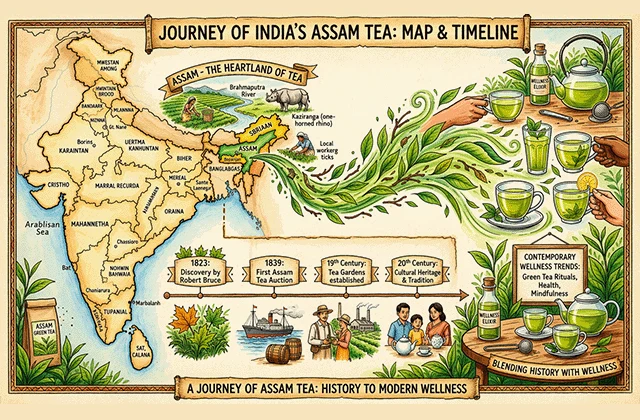
Tea is one of the most popular beverages in the world. Millions of people enjoy it every day, whether as a morning drink, an afternoon refreshment, or a way to relax with family and friends. From traditional Chinese tea ceremonies to India’s famous masala chai and Britain’s afternoon tea, this beverage has become an important part of many cultures.
But have you ever wondered where tea originated, how it spread across the world, and how it became the everyday drink we know today? Understanding the history of tea reveals a fascinating journey shaped by trade, culture, exploration, and changing lifestyles.
The Origin of Tea in Ancient China
The history of tea is closely connected to China, where tea drinking is believed to have begun thousands of years ago. According to a popular Chinese legend, Emperor Shennong discovered tea around 2737 BCE when leaves from a wild tea plant accidentally fell into water he was boiling. The leaves gave the water a pleasant flavour, and the emperor reportedly enjoyed the drink.
Although this story is part of Chinese tradition rather than verified historical evidence, China is widely recognised as the birthplace of tea culture.
Initially, people used tea leaves for medicinal and practical purposes. Over time, they began preparing tea as a regular beverage. During the early centuries of tea consumption, preparation methods varied, and tea leaves were sometimes boiled with other ingredients.
By the Tang Dynasty (618–907 CE), tea had become a popular drink throughout China. Tea culture flourished, and the Chinese writer Lu Yu composed The Classic of Tea, an influential work describing tea cultivation, preparation, equipment, and drinking traditions.
How Tea Spread Across Asia
Tea gradually travelled beyond China through trade routes, cultural exchanges, and religious connections.
1. Tea in Japan
Tea reached Japan through Buddhist monks who travelled to China and brought tea seeds and drinking practices back with them. During the early development of Japanese tea culture, monks valued tea partly because it helped them remain alert during meditation.
Over the centuries, tea became deeply connected with Japanese traditions. This eventually contributed to the development of the Japanese tea ceremony, known as chanoyu. The ceremony emphasises preparation, respect, tranquillity, and attention to detail.
Matcha, a finely powdered green tea, became particularly important in Japanese tea culture.
2. Tea in Other Asian Regions
Tea drinking also spread to other parts of Asia, where communities developed their own preparation methods and preferences. Some regions favoured green tea, while others developed traditions involving fermented tea, milk, spices, or different brewing techniques.
These regional differences helped establish tea as a versatile beverage that could adapt to local tastes and customs.
The Arrival of Tea in Europe
Tea entered European trade networks more prominently during the 16th and 17th centuries. Portuguese and Dutch traders played important roles in introducing tea to European markets, with the Dutch becoming especially significant in the early commercial tea trade.
At first, tea was an expensive luxury enjoyed mainly by wealthy people. Its unfamiliar flavour and high price made it less accessible to ordinary households.
As trade expanded and supplies increased, tea gradually gained popularity in European cities. It became associated with fashionable social gatherings, elegant table settings, and changing consumer habits.
Tea Becomes Popular in Britain
Tea arrived in Britain during the 17th century and became particularly fashionable among the upper classes. Its popularity increased during the reign of King Charles II, whose Portuguese wife, Catherine of Braganza, is often associated with the growth of tea drinking at the royal court.
During the 18th century, tea became an important part of British daily life. Tea shops and tea gardens offered places for people to socialise, while tea drinking at home developed into a familiar domestic ritual.
However, tea was heavily taxed at various points in British history. High taxes encouraged smuggling, and government reforms eventually helped make legal tea more affordable and accessible.
The History of Tea in India
India is now one of the world’s major tea-producing countries, but its commercial tea industry developed largely during British colonial rule.
Wild tea plants were known in parts of northeastern India, particularly Assam, before the expansion of commercial plantations. In the 1820s and 1830s, British officials and entrepreneurs began investigating the potential for cultivating tea in Assam. Indigenous knowledge and local tea plants played an important role in this development.
The British East India Company supported tea cultivation as a way to reduce dependence on Chinese tea imports. Commercial production expanded in Assam and later in Darjeeling and other suitable regions.
1. Assam Tea
Assam became famous for its strong, full-bodied black tea. The region’s warm, humid climate and abundant rainfall created favourable conditions for large-scale tea cultivation.
Assam tea became an important ingredient in many blends and is widely used in milk tea because of its rich flavour.
2. Darjeeling Tea
Darjeeling, in the Himalayan foothills of West Bengal, became known for its distinctive tea. Its high-altitude gardens and local growing conditions contribute to the tea’s delicate aroma and flavour.
Often described as the “Champagne of teas,” Darjeeling tea is valued by tea enthusiasts around the world.
3. The Rise of Indian Chai
Over time, tea became a familiar part of everyday life across India. Many people began preparing it with milk, sugar, ginger, cardamom, cloves, or other spices.
This style of tea, commonly called masala chai, developed into a beloved beverage served in homes, offices, roadside stalls, and cafés.
Today, Indian chai represents more than a drink. It is associated with hospitality, conversations, breaks from work, and moments shared with friends and family.
The Boston Tea Party and the American Tea Trade
Tea also played a significant role in American history. During the 18th century, British taxes and trade policies created growing resentment among American colonists.
In 1773, a group of colonists protested against British tea policies by throwing shipments of tea into Boston Harbour. This event became known as the Boston Tea Party.
The protest was an important moment in the growing conflict between Britain and its American colonies and contributed to the events leading to the American Revolution.
After independence, American tea habits evolved in different directions. While hot tea remained popular, iced tea eventually became a familiar beverage in the United States, particularly during warmer months.
The Development of Afternoon Tea
Afternoon tea became a well-known British tradition during the 19th century. Anna, the Duchess of Bedford, is commonly credited with popularising the practice of having tea and light refreshments between lunch and dinner.
The custom gradually developed into a social occasion featuring brewed tea, sandwiches, cakes, and small pastries.
Afternoon tea became associated with elegance and hospitality. Today, hotels, cafés, and tea rooms around the world continue to offer versions of this traditional experience.
It is important to distinguish afternoon tea from high tea, which historically referred to a more substantial evening meal in working households rather than simply a more formal version of afternoon tea.
How Tea Production Has Changed Over Time
Tea production has evolved considerably, from traditional hand-processing methods to modern commercial manufacturing.
Tea generally comes from the leaves and buds of the plant Camellia sinensis. Different processing techniques create the varieties commonly sold today.
- Green tea: The leaves are heated soon after harvesting to limit oxidation, helping preserve their characteristic colour and flavour.
- Black tea: The leaves undergo substantial oxidation, producing a darker colour and a stronger flavour.
- Oolong tea: This tea is partially oxidised, creating a range of flavours between green and black tea.
- White tea: Usually made from young buds and leaves with relatively minimal processing.
- Dark tea: Certain varieties undergo microbial ageing or fermentation as part of their processing.
Herbal infusions made from ingredients such as chamomile, peppermint, or hibiscus are also commonly called tea, although they do not usually contain leaves from Camellia sinensis.
Modern technology has made tea processing, packaging, storage, and transportation more efficient. Tea bags, instant tea, ready-to-drink beverages, and specialty loose-leaf teas have also expanded the ways people enjoy tea.
Tea Culture Around the World
One reason tea has remained popular for centuries is its ability to fit different cultural traditions.
In China, tea is associated with hospitality, history, and traditional preparation methods. Japan is known for its carefully structured tea ceremonies and matcha culture. Britain has a long-standing tradition of afternoon tea, while India is famous for milk tea and masala chai.
In Morocco, mint tea is an important symbol of hospitality. In Turkey, strong black tea is commonly served in small, tulip-shaped glasses. In many other countries, tea is enjoyed during breakfast, work breaks, social gatherings, or quiet moments of relaxation.
Although preparation styles differ, tea often brings people together. Sharing a cup can be a simple way to welcome guests, strengthen relationships, or take a break from a busy day.
The History of Tea in the Modern World
Today, tea is consumed in almost every part of the world. Traditional tea varieties remain popular, while specialty cafés and beverage brands continue to introduce new flavours and preparation styles.
Bubble tea, iced tea, flavoured tea blends, matcha drinks, and premium loose-leaf teas have attracted different generations of consumers. At the same time, traditional chai stalls and family tea rituals remain central to everyday life in many communities.
Consumers are also paying greater attention to tea quality, sourcing, packaging, and production practices. Some prefer loose-leaf tea for its variety and preparation experience, while others choose tea bags for convenience.
Tea’s long history demonstrates how a simple drink can evolve through trade, innovation, and cultural exchange while retaining its place in daily routines.
Also Read: How to Protect Your Online Privacy: A Simple Guide
Conclusion
The history of tea is a journey that spans thousands of years, beginning with its early traditions in China and expanding through Asia, Europe, India, and the rest of the world. Along the way, tea influenced trade, shaped social customs, and became part of important historical events.
From delicate green tea and aromatic Darjeeling tea to a comforting cup of Indian masala chai, tea continues to bring people together across cultures and generations.
Despite changes in production methods and drinking habits, its enduring appeal remains the same: tea offers a familiar moment of comfort, connection, and enjoyment.
Join the discussion
Related Articles



No results available
ResetTrending Articles

- General
- Updated on October 5, 2026
- General
- Updated on October 16, 2026

- General
- Updated on September 17, 2026

- General
- Updated on September 4, 2026

- General
- Updated on August 24, 2026

- General
- Updated on August 12, 2026

- General
- Updated on August 6, 2026

- General
- Updated on July 24, 2026

- General
- Updated on July 24, 2026

- General
- Updated on July 24, 2026
No results available
Reset