

India is steadily moving toward cleaner and more sustainable energy solutions, and fuel ethanol has emerged as a key component of this transition. With rising fuel demand, increasing environmental concerns, and the government’s push for renewable energy, ethanol-blended petrol has become an important part of India’s energy strategy. Initiatives such as the Ethanol Blended Petrol (EBP) Programme and the introduction of E20 fuel have further increased public interest in understanding fuel ethanol and its role in the country’s future.
Whether you’re a vehicle owner, farmer, business owner, or simply interested in renewable fuels, learning about fuel ethanol can help you understand how it contributes to reducing dependence on fossil fuels while supporting economic growth.
In this guide, we’ll explain what fuel ethanol is, how it is produced, its benefits, applications, challenges, and its growing importance in India.
What Is Fuel Ethanol?
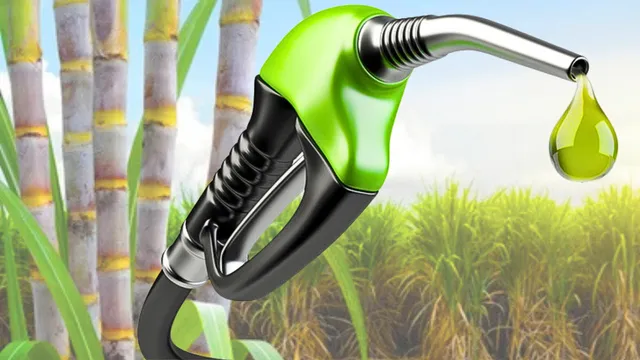
Fuel ethanol is a renewable biofuel produced from plant-based materials containing sugar, starch, or cellulose. Unlike conventional fossil fuels, ethanol is derived from agricultural feedstocks, making it a cleaner and more sustainable energy source.
In India, fuel ethanol is primarily produced from:
- Sugarcane juice
- Sugarcane molasses
- Damaged food grains
- Maize
- Rice
- Other approved agricultural feedstocks
It is commonly blended with petrol to reduce emissions and decrease reliance on imported crude oil.
How Is Fuel Ethanol Produced?
The production of fuel ethanol involves several stages.
1. Selection of Raw Materials
Manufacturers begin by selecting suitable feedstocks such as:
- Sugarcane
- Molasses
- Maize
- Broken rice
- Other grains approved under government guidelines
The choice of raw material depends on availability, seasonal production, and government policies.
2. Fermentation
Natural yeast converts the sugars present in the feedstock into alcohol through the fermentation process.
This step produces ethanol along with carbon dioxide.
3. Distillation
The fermented liquid is heated to separate ethanol from water and other components.
This process increases the purity of the ethanol.
4. Dehydration
Fuel ethanol requires a very high purity level.
During dehydration, the remaining water is removed to produce anhydrous ethanol suitable for blending with petrol.
5. Quality Testing
Before distribution, ethanol undergoes strict quality checks to ensure it meets industry and government standards.
What Is Ethanol-Blended Petrol?
Ethanol-blended petrol is conventional petrol mixed with a specified percentage of ethanol.
Common blends include:
- E10 (10% ethanol)
- E20 (20% ethanol)
India has been expanding the use of ethanol blending under its national energy strategy to improve fuel sustainability.
Why Is Fuel Ethanol Important for India?
India imports a significant portion of its crude oil requirements.
Fuel ethanol helps address several national priorities by:
- Reducing dependence on imported petroleum
- Supporting domestic agriculture
- Lowering greenhouse gas emissions
- Promoting renewable energy
- Strengthening energy security
As ethanol production increases, India moves closer to achieving a more sustainable and self-reliant energy ecosystem.
Benefits of Fuel Ethanol
1. Reduces Crude Oil Imports
India spends a substantial amount on importing crude oil every year.
Greater use of ethanol-blended petrol helps reduce this dependence, saving valuable foreign exchange.
2. Supports Indian Farmers
One of the biggest advantages of ethanol production is its positive impact on agriculture.
It creates additional demand for crops such as:
- Sugarcane
- Maize
- Rice
- Other approved feedstocks
This provides farmers with new income opportunities while strengthening the rural economy.
3. Cleaner Fuel Option
Compared to conventional petrol, ethanol burns more cleanly.
Its use can help reduce emissions of certain pollutants, contributing to improved air quality and supporting India’s environmental goals.
4. Renewable Energy Source
Unlike fossil fuels, ethanol is produced from renewable agricultural resources that can be replenished through farming.
This makes it an important part of India’s long-term renewable energy strategy.
5. Encourages Rural Development
Expansion of ethanol production has encouraged investment in:
- Distilleries
- Storage facilities
- Transportation
- Agricultural infrastructure
These developments generate employment and stimulate economic activity in rural areas.
Government Initiatives Promoting Fuel Ethanol
The Government of India has introduced several policies to increase ethanol production and blending.
Some key initiatives include:
1. Ethanol Blended Petrol (EBP) Programme
The EBP Programme promotes blending ethanol with petrol to reduce dependence on fossil fuels and encourage cleaner transportation fuels.
2. National Policy on Biofuels
The policy supports the production and use of biofuels, including ethanol, while encouraging the use of diverse agricultural feedstocks.
3. E20 Fuel Rollout
India is gradually expanding the availability of E20 fuel as part of its long-term vision for cleaner mobility.
These initiatives demonstrate the country’s commitment to renewable energy and energy security.
Uses of Fuel Ethanol
Although transportation remains its primary application, ethanol has several other uses.
Fuel ethanol contributes to:
- Petrol blending
- Renewable fuel production
- Energy diversification
- Reduced fossil fuel consumption
Beyond fuel, ethanol is also widely used in industries such as pharmaceuticals, cosmetics, and chemicals, although these applications typically use different grades of ethanol.
Fuel Ethanol vs Conventional Petrol
| Feature | Fuel Ethanol | Conventional Petrol |
|---|---|---|
| Source | Renewable agricultural feedstocks | Crude oil |
| Sustainability | Renewable | Non-renewable |
| Carbon Footprint | Lower | Higher |
| Supports Farmers | Yes | No |
| Import Dependence | Lower | Higher |
This comparison highlights why ethanol is becoming an increasingly important component of India’s energy mix.
Challenges of Fuel Ethanol Production
Despite its benefits, ethanol production also faces certain challenges.
1. Availability of Feedstock
Agricultural production depends on weather conditions and seasonal variations.
2. Infrastructure Development
Expanding ethanol blending requires continued investment in production facilities, transportation, and storage.
3. Public Awareness
Many consumers still have limited knowledge about ethanol-blended fuels and their role in India’s energy future.
4. Balancing Food and Fuel
Ensuring that ethanol production does not adversely affect food security remains an important policy consideration.
Addressing these challenges will support the sustainable growth of the ethanol sector.
The Future of Fuel Ethanol in India
India’s ethanol industry is expected to continue growing as the country focuses on cleaner energy solutions.
Future developments may include:
- Increased ethanol production capacity
- Greater adoption of E20 fuel
- Improved agricultural productivity
- Advanced biofuel technologies
- Expanded use of alternative feedstocks
- Continued government support
These efforts align with India’s broader goals of reducing carbon emissions, enhancing energy security, and promoting sustainable development.
How Consumers Can Support India’s Energy Transition
Consumers also play an important role in supporting renewable energy initiatives.
They can:
- Stay informed about ethanol-blended fuels.
- Follow vehicle manufacturer recommendations regarding fuel compatibility.
- Understand the environmental and economic benefits of renewable fuels.
- Support policies that encourage sustainable energy practices.
Small changes in fuel choices, when adopted widely, can contribute to significant national benefits.
Also Read: The Rise of Solo Travel Among Indian Youth
Final Thoughts
Fuel ethanol has become a cornerstone of India’s journey toward a cleaner, more sustainable, and energy-secure future. Produced from renewable agricultural resources such as sugarcane, molasses, maize, and grains, it helps reduce dependence on imported crude oil while supporting Indian farmers and contributing to rural economic development. Government initiatives like the Ethanol Blended Petrol (EBP) Programme, the National Policy on Biofuels, and the rollout of E20 fuel in India further demonstrate the country’s commitment to expanding the use of renewable fuels.
As awareness grows and infrastructure continues to improve, fuel ethanol is expected to play an even greater role in India’s transportation and energy sectors. By understanding how fuel ethanol is produced, its benefits, and its contribution to sustainability, consumers can make more informed decisions and appreciate its importance in building a greener future for India.